
At Revolution Cycle Sport, we’re cyclists first and foremost. Like many riders, we’ve spent years tinkering with bikes, wheels and tyres — learning through plenty of trial and error along the way. Tubeless tyre setup can sometimes seem complicated or messy, but with the right tools and guidance, it’s actually a straightforward process that can completely transform your riding experience.
In this guide, we’ll walk you through the simple steps of fitting tubeless road tyres to tubeless-ready wheels, along with some helpful tips we’ve picked up over years of workshop experience.
If you want to know more about the Tubeless concept and considerations, then read our other ‘Tubeless Blog 1 of 2’.
Why Go Tubeless?
Tubeless tyre technology has long been popular in mountain biking thanks to the ability to run lower tyre pressures for improved grip, comfort and reduced rolling resistance — all without the risk of pinch punctures. Add in the puncture-sealing properties of tubeless sealant and it’s easy to see why it became the go-to setup for off-road riding.
Road cycling took a little longer to adopt tubeless systems, partly due to the dominance of tubular tyres in professional racing and a lack of clear information around setup. Thankfully, tubeless road technology has come a long way and many riders are now discovering the real-world benefits it offers.
These include:
- Increased comfort
- Improved puncture resistance
- Lower rolling resistance
- Better grip and control
- Reduced risk of pinch flats
While tubeless may not be for everyone, it can significantly improve performance and reliability for many cyclists.
What Is a Tubeless Setup?
A tubeless setup works similarly to a traditional clincher tyre system — but without an inner tube.
Instead, the tyre itself forms an airtight seal against the rim. Tubeless-ready tyres feature specially designed beads and airtight construction layers to hold air securely, while tubeless-ready rims include bead-lock profiles that help keep the tyre safely seated under pressure.
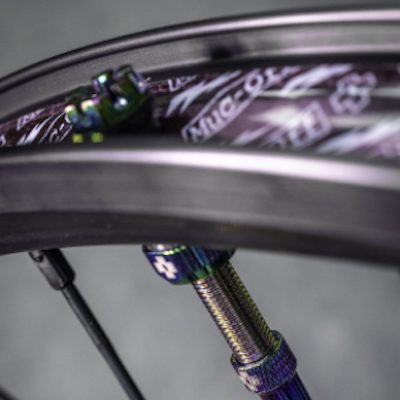
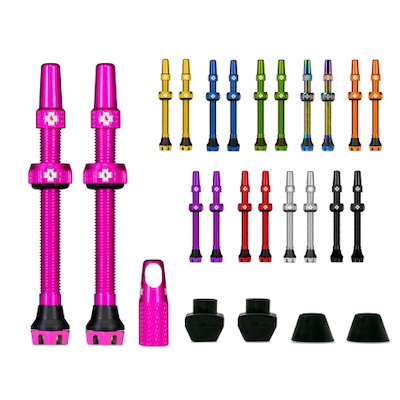
To create a fully airtight system, tubeless rim tape is used to seal the spoke holes inside the rim, and a dedicated tubeless valve allows inflation.
The final piece of the puzzle is tubeless sealant — a liquid solution that coats the inside of the tyre and automatically seals small punctures while you ride.
How To Set Up Tubeless Road Bike Wheels
Step 1 – What You’ll Need
Before starting, gather the following tools and components:
- Tubeless-ready wheels
- Tubeless valves
- Tubeless rim tape (may be pre installed)
- Tubeless tyre sealant
- Tubeless-ready tyres
- Tyre levers
- Floor pump or tubeless inflator pump
- Clean cloth
- Alcohol cleaner or isopropyl alcohol
- Sharp, small pointed object
Step 2 – Tape the Rim
The first step is sealing the rim to prevent air from escaping through the spoke holes. Skip this step if your wheel has already been taped (and it’s in good condition).
Clean the Rim
Using alcohol cleaner and a cloth, thoroughly clean the inside of the rim bed. Removing dirt and grease helps the tape adhere properly.
Apply the Rim Tape
Start applying the tape one quarter rotation away from the valve hole. Pull the tape tight as you work around the rim, pressing it firmly into place with your fingers or cloth.
Make sure:
- The tape fully covers all spoke holes
- There are no air bubbles or wrinkles
- The tape is centred evenly in the rim bed
- Finish one quarter rotation past the valve hole – so you will have taped at least 1.5 of the rim.
(Note this varies by wheel and by tape – some combinations require more tape to help the initial seal)
Once complete, firmly press the tape down all the way around the rim.
Pierce the Valve Hole
Using a small pointed object, carefully make a small hole through the tape at the valve hole.
Step 3 – Fit the Valve and Tyre
Install the Tubeless Valve
Remove the valve cap and lock ring, then insert the valve through the hole from inside the rim.
Thread the lock ring onto the valve externally and tighten it securely by hand so the rubber base seals tightly against the rim.
A small amount of sealant around the valve base can help improve the seal if needed.
Fit the Tyre
Check the tyre sidewall for any directional arrows before fitting. A pro touch is to centre the tyre logo over the valve, and match this front and rear!
Install one side of the tyre bead fully onto the rim. Then begin fitting the second bead, leaving around a quarter of the tyre unseated.
If the tyre feels tight:
Push the tyre bead into the centre channel of the rim
Use tyre levers carefully to avoid damaging the rim tape
Step 4 – Add Sealant
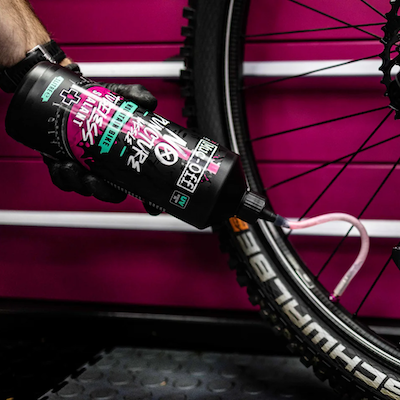
Shake the bottle of sealant thoroughly before use. Read the manufacturer’s instructions.
Pour the recommended amount of sealant directly into the open section of the tyre:
Road tyres typically require between 50-80ml, MTB 100-150ml, depending on width.
Once added:
- Rotate the wheel to stop the sealant spilling
- Push the remaining tyre bead into place
- Slowly rotate and shake the wheel to distribute sealant around the tyre and rim
Hint: You can also use your finger to apply a small amount of sealant around both sides of the tyre bead to help with initial sealing.
Step 5 – Inflate the Tyre
Tubeless tyres require a rapid rush of air to seat the tyre bead correctly onto the rim.
Using a Floor Pump
A standard track pump can work, although it may require fast, aggressive pumping.
Using a Tubeless Inflator Pump
For easier setup, we recommend a tubeless inflator or air chamber pump. These release a high-volume blast of compressed air that quickly seats the tyre bead.
Once inflated:
Listen for the tyre bead snapping into place
Spin and shake the wheel to distribute sealant
Inflate to your desired riding pressure
If small leaks appear initially, the sealant will usually plug them within a few moments.
Final Checks Before Riding
Before heading out.
Double-check tyre pressure
Inspect the tyre bead evenly around the rim
Ensure the valve is tight
Wipe away any excess sealant
Once everything looks good, you’re ready to ride.
Tubeless Setup Tips From Revolution Cycle Sport
- Refresh sealant every 2–6 months depending on conditions
- Always carry a spare inner tube for emergencies
- Lower tyre pressures generally improve comfort and grip
- Don’t overtighten valve lock rings
- Warm tyres are often easier to fit than cold ones
Need Help With Your Tubeless Setup?
If you’re unsure about compatibility, tyre choice or getting your setup dialled in, Revolution Cycle Sport, in Billingshurst nr Horsham
is here to help.
Whether you’re upgrading your road bike, gravel bike or mountain bike, we can help you choose the right tubeless setup for your riding style and get you rolling with confidence.